Nursery Theme Ideas and How to Carry One Through the Room
Picking a theme is the fun part of planning a nursery, and also the part that can feel like too many choices. This guide walks through the most popular themes, what each one looks like in a real room, and how to keep the look tied together without turning the room into a costume. Parents, grandparents and gift-givers can all use it.
Start with how you want the room to feel
Before you look at themes, decide on a feeling. Do you want the room to feel calm and sleepy, bright and playful, or cozy and natural? A feeling is easier to hold onto than a picture, and it helps you say no to things that do not fit.
Then pick one idea you could explain in a sentence, such as a quiet forest or a sunny day at the beach. If you cannot say it in a sentence, the theme is probably too busy.
Ocean and under the sea
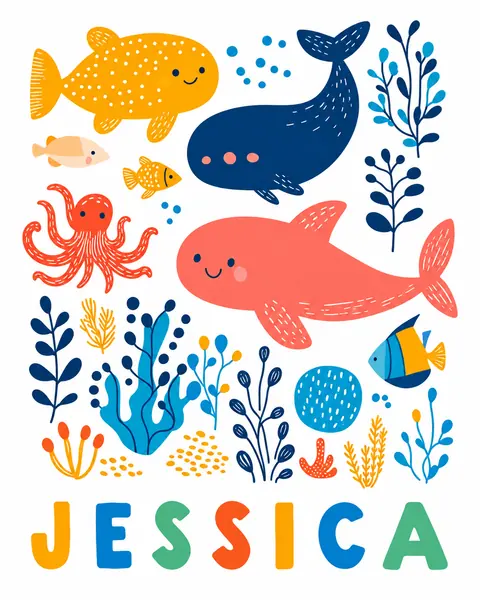
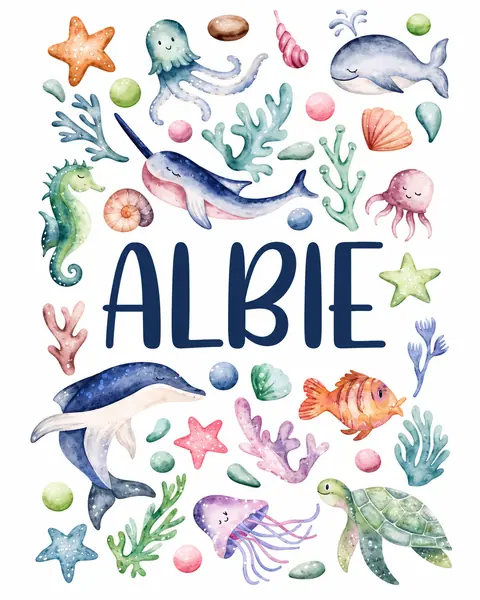
Ocean themes work because the colors are already soothing: soft blues, sandy neutrals, pale greens and the occasional pop of coral. Whales, dolphins, sea turtles and seahorses are friendly shapes that babies and toddlers recognize.
Keep the big pieces calm, such as a pale blue wall or sand-colored rug, and let the sea creatures show up in two or three places rather than everywhere.

Woodland and nature
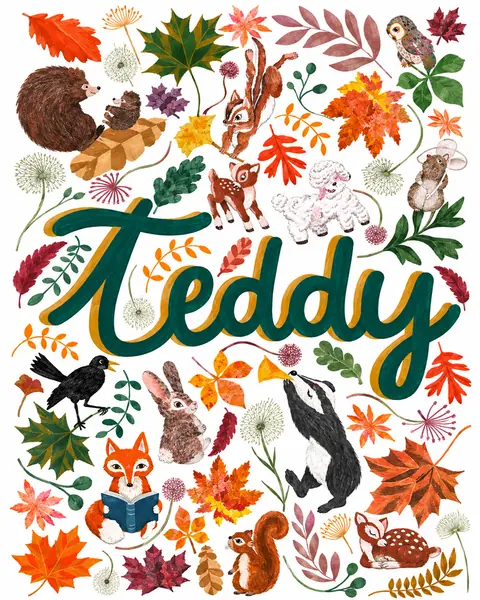
A woodland nursery leans on earthy greens, warm browns, cream and the soft orange of autumn leaves. Foxes, owls, hedgehogs and deer are the usual cast, and they pair well with natural wood, linen and wool.
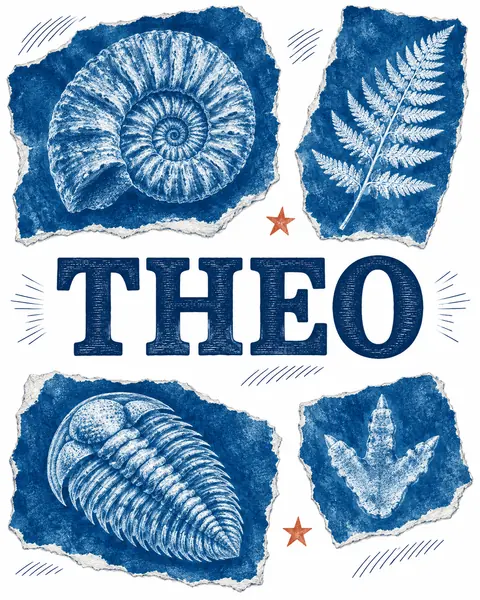
If you want something a little less expected, think about the natural world more widely: ferns, fossils, moths, moons and mushrooms all fit the same quiet palette.

How to carry a theme through a room
The easiest way to keep a theme from feeling like a costume is the rule of three. Choose a main color, a secondary color and one accent. Use the main color on the largest surfaces, the secondary on textiles and furniture, and the accent in small touches.
Repeat shapes and textures rather than characters. A room can feel like a forest through wood grain, leaf-green blankets and a single owl print, with no need for owls on the curtains, the crib sheet and the lamp as well.
Leave some plain space. Bare wall, an empty shelf or a simple white dresser gives the eye a place to rest, and the themed pieces look better for it.
Floral and garden
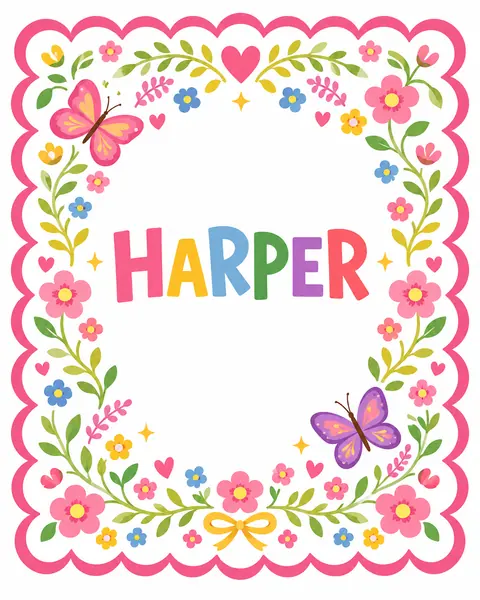
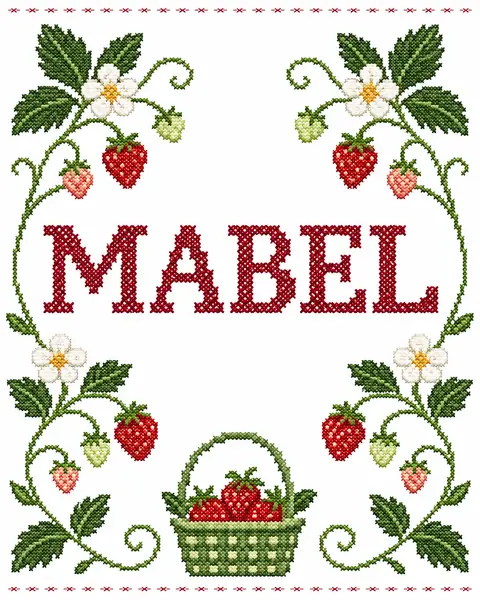
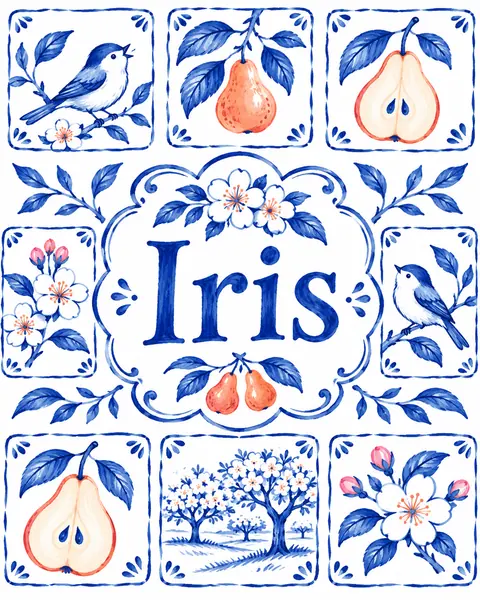
Florals do not have to mean pink. A garden nursery can be built on sage green, cream and soft yellow, with blue and white pieces for a cottage feel. Botanical prints, a gingham blanket or a small vase of dried stems in the room carry the idea without much effort.
Mixing one patterned item with several plain ones keeps a floral room from feeling busy.
Whimsical, rainbows and storybook
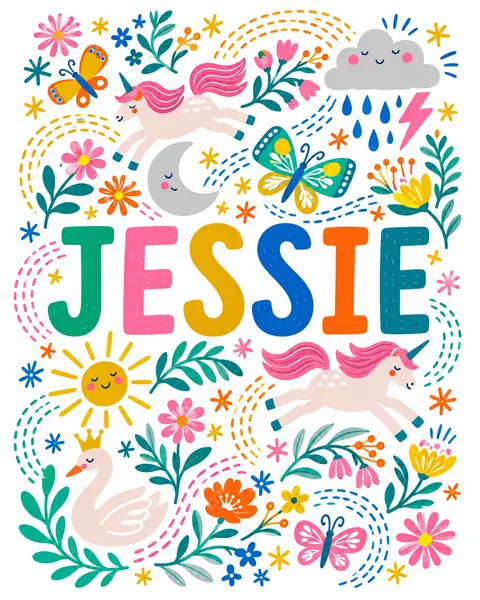
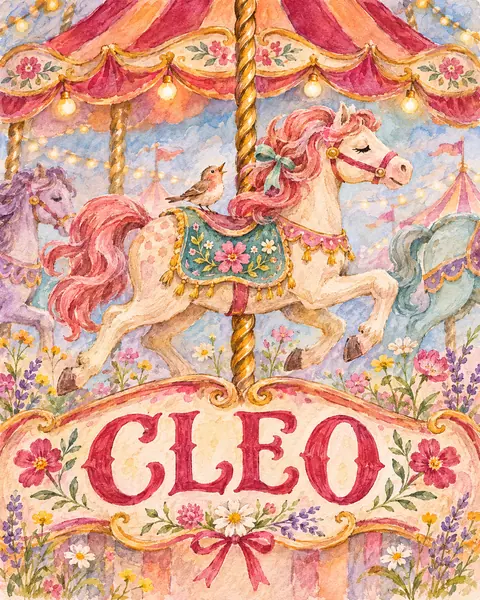
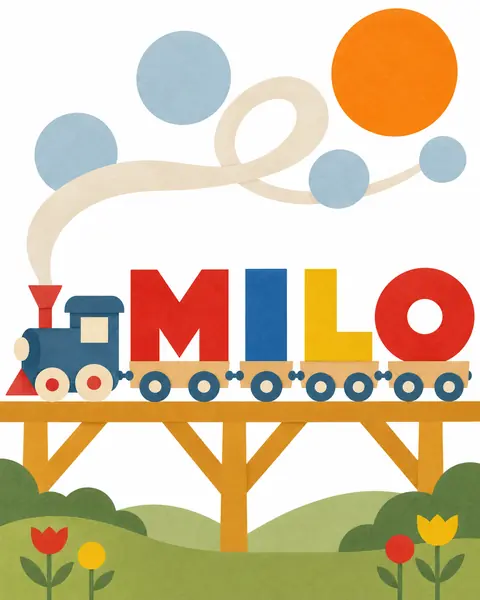
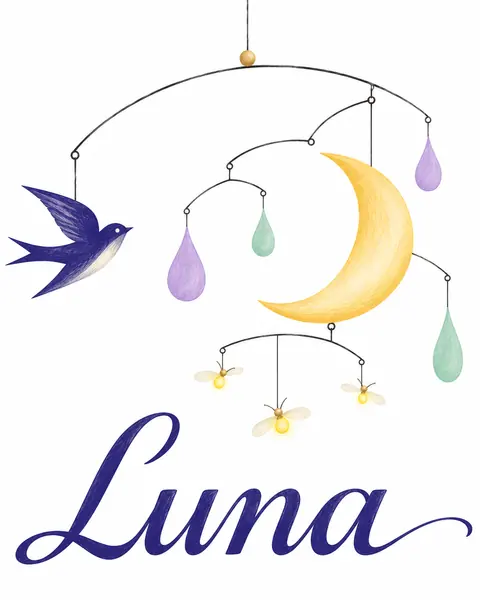
Whimsical rooms are for families who like color. Rainbows, carousels, trains, clouds and the moon are all easy to love, and they can sit together because they share a storybook feel.
To keep a colorful room from feeling loud, pick six or fewer colors and repeat them. White or cream walls give bright pieces room to stand out.
Adventure and the outdoors
Adventure themes suit families who spend weekends outside. Mountains, pine trees, kites, maps and tents bring in navy, forest green, rust and mustard, which also happen to work for any age as the child grows.
Pair a mountain or kite print with a simple wood shelf and a woven basket, and you have a theme that can last into a big-kid room with only a few swaps.



Classic initials and no theme at all
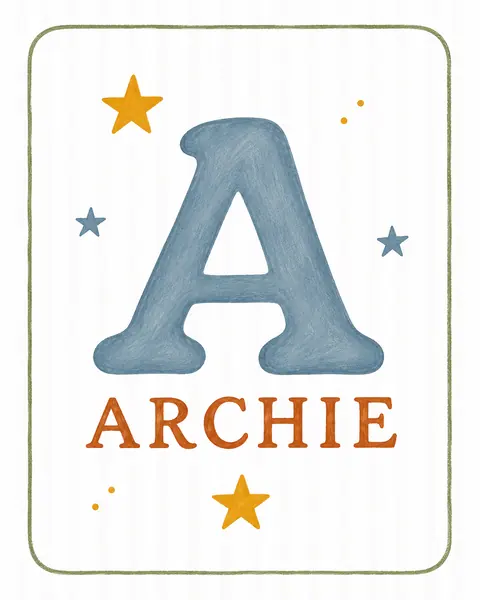
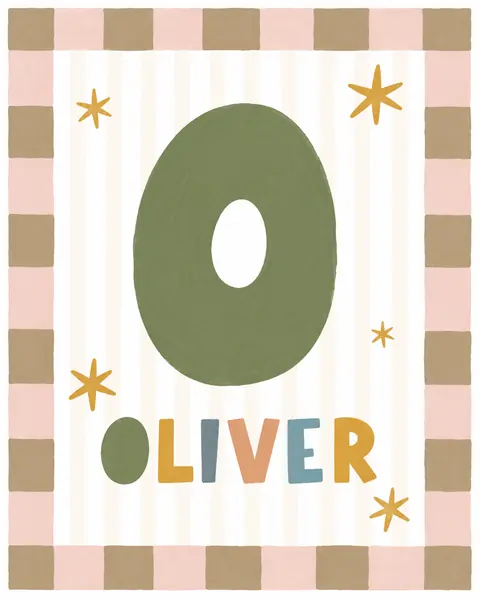
Not every nursery needs animals or scenes. A big first letter with a simple border is a classic choice that works in any color scheme and is easy to change later. Stripes, checks, gingham and polka dots give an initial room some personality without a story attached.
A no-theme nursery is also a real option: choose a color palette, add good textures, and let a single personal piece, like the baby's name, be the focus.

Test the theme before you commit
Tape paint swatches and a printed picture to the wall for a week. Look at them in morning light and by the lamp you will use for night feedings. If you still like the idea after seven days, it is likely to hold up.
If you choose name art, you can see the child's name in the design first: our AI image model remakes the design with the name in about a minute, and the two free previews a day show how it will look before you decide.
Questions
How do I choose a nursery theme?
Start with the feeling you want, such as calm or playful, then pick one idea you can describe in a sentence. Check it against a color palette and a few pieces you already own before buying anything new.
Can I change a nursery theme as my child grows?
Yes, and it is easier if the big pieces are neutral. Keep the walls, crib and dresser simple, and put the theme in prints, textiles and small accessories that can be swapped later.
How many themed items are too many?
A useful rule is to let the theme show up in three to five places and keep everything else plain. If every surface carries the theme, the room can feel crowded.
Should the nursery theme match the rest of the house?
It helps if the colors sit well with the rooms next to it, since the door is often open. You do not need to match exactly; sharing one color is enough.