Playroom Ideas: Layout, Storage, Zones and Walls
A good playroom is not about having more things. It is about making it easy for children to find what they want, play in it, and for adults to put it away at the end of the day. These ideas work in a spare bedroom, a basement corner or a small living room nook.
Start by clearing the floor
Before buying anything, empty the room and look at it. Where does the light come from? Where are the outlets and doors? Leave open floor in the middle, because children play more freely when there is space to spread out.
Put furniture against the walls and keep the center clear. A large rug in the middle defines the play area and softens falls.
Divide the room into zones
Children play in different ways, and a room works better when each kind of play has its own corner. A simple plan has three zones: a reading corner, an art table, and a building area for blocks, trains or bricks.
Place the quiet zone away from the noisy one. Put the art table near good light and near a sink or a wipeable floor if you can.
Storage children can reach
If a child cannot see or reach a toy, they will not play with it. Use low open shelves and bins that a child can pull out alone. Group toys by type, such as cars, dolls, blocks and dress-up.
Label bins with a picture as well as a word, so non-readers can help with cleanup. Keep a few bins up high for toys you rotate in and out, which keeps the room fresh without buying more.
A reading corner worth sitting in
A reading nook needs only a soft rug, a few big cushions and a shelf with the covers facing out. Put it by a window or add a lamp so reading feels cozy.
Keep the shelf low so children can choose their own books, and keep only a dozen or so out at a time. Swap them every few weeks.
Art and craft zone
A small table and two chairs at child height make an art zone. Keep paper, crayons and markers in open containers on a nearby shelf, and use a washable tablecloth or a sheet of paper over the table.
A strip of string or a magnetic rail along the wall lets children hang their own drawings. It keeps the fridge from filling up and makes them proud of the room.
Durable choices for the long run
Playrooms take a beating, so choose things that wipe clean. Washable paint, a low-pile rug that can be vacuumed or washed, and furniture with rounded corners will last longer than delicate pieces.
Anchor tall shelves and bookcases to the wall so they cannot tip over if a child climbs them. This is one of the most important safety steps in any playroom.
Wall ideas that add color
Walls are a good place to add personality without using floor space. A painted stripe or a wide band of color at child height can brighten a plain room. A chalkboard or whiteboard panel gives children a place to draw, and a row of low pegs holds dress-up clothes or bags.
Leave some wall space blank. A few well-chosen pieces look better than a crowded wall, and you can add to them as the child grows.
A name sign for the playroom
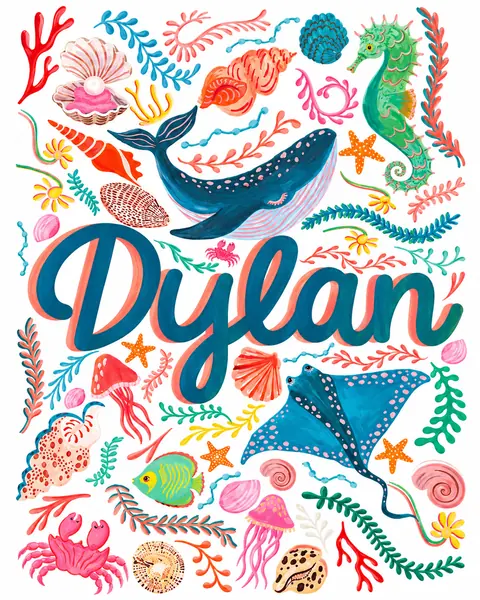
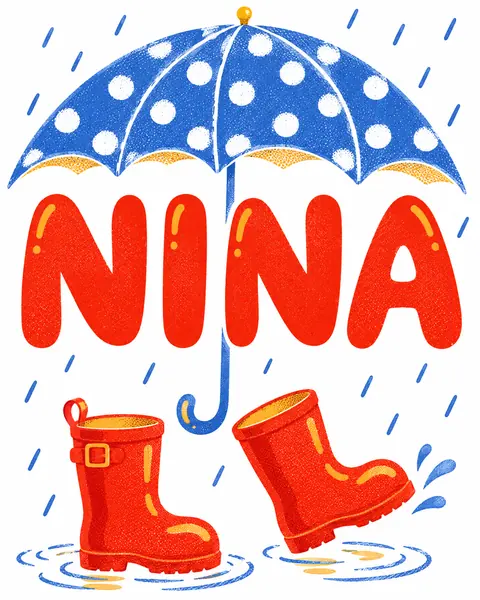
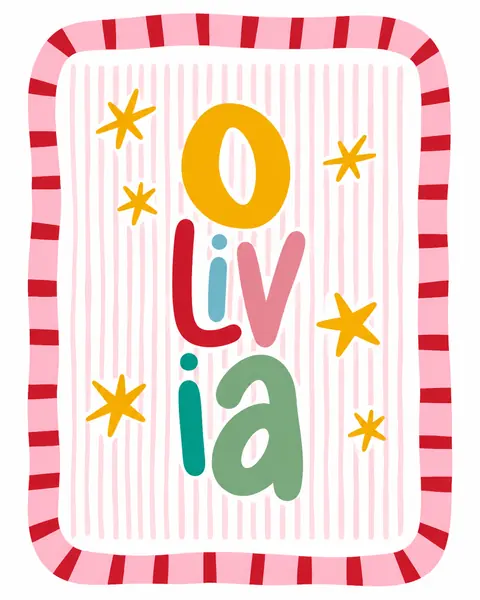
A piece with the child's name tells them the room is theirs. Our name art prints the name into a bright design on canvas. You choose the design, type the name and see a free preview, made by our AI image model in about a minute, before you order.
Canvas starts at $59 for an 8x10 and comes with free shipping. For a playroom wall, a larger size such as 18x24 gives a real splash of color. Choose a design that matches how the room is used.
If you want a sign for a shared playroom, our nursery name sign lets you type the name live on a canvas with clouds, florals or woodland scenes.

Keep it simple and let it change
A playroom changes as a child grows. Choose a plain base, such as neutral walls and sturdy shelves, and let the toys, art and rugs carry the color. That way you can swap things out in a weekend instead of redoing the whole room.
Once a month, take ten minutes to remove the toys that are no longer used, and bring back a few from storage. The room feels new and stays easy to tidy.
Questions
How do I organize a small playroom?
Use wall space and low open shelves, keep the middle of the floor clear, and limit how many toys are out at once. Rotating a few bins in and out keeps the room tidy and fresh.
What are the main zones in a playroom?
A simple setup has a reading corner, an art table and a building area. Add a dress-up or pretend-play corner if there is space.
What should I put on the walls of a playroom?
Try a bright piece of wall art, a chalkboard or whiteboard panel, and a rail or string for displaying children's drawings. Leave some blank space so the room does not feel busy.
Can I get a name sign for my child's playroom?
Yes. Pick a design, type the name, and see a free preview before you order.